

10 Recommended Ramen Shops in Shinjuku Chosen by Japanese!
- 公開日
- カテゴリー
-
- 東京ガイド
- カテゴリー
-
- #新宿エリア
Shinjuku is Tokyo’s premier gourmet district, especially famous as a hotspot for ramen. From traditional soy sauce and miso ramen to rich tonkotsu and carefully crafted tsukemen, a wide variety of renowned shops line the streets.
In this article, we’ve carefully selected 10 ramen shops in Shinjuku that Japanese locals living in Tokyo confidently recommend as “must-visit.” In addition to taste, we clearly highlight accessibility and the atmosphere of each shop, making this guide useful for your sightseeing plans.
Why is Shinjuku a ramen battleground?
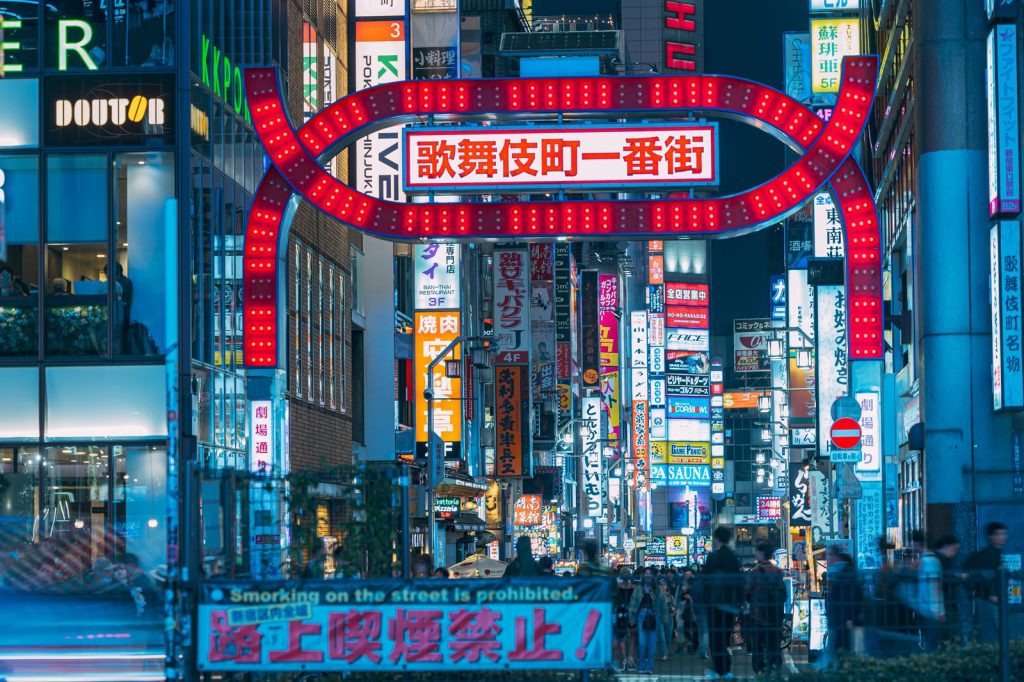
The reason Shinjuku is called a ramen battleground lies in its large crowds, diverse needs, and dense concentration of eateries. Shinjuku Station serves over 3.5 million people daily, attracting a wide range of customers, including businesspeople, tourists, and students.
As a result, many people seek ramen for lunch during the day or a light meal after drinks at night, supporting a variety of ramen styles. Additionally, areas like Kabukicho and the East and West exits are packed with restaurants, and the intense competition encourages unique shops to emerge, along with new limited-time menus and innovative concepts.
These factors combine to make Shinjuku a neighborhood famously known as a ramen hotspot.
Types of Ramen You Can Find in Japan
Shoyu (soy sauce) ramen
Shoyu ramen is often considered the classic style of Japanese ramen, featuring a clear to slightly rich broth based on soy sauce.
The soup is made by adding soy sauce to a stock prepared from chicken bones, pork bones, vegetables, and more, creating a well-balanced broth with a fragrant aroma and umami flavor. Common toppings include chashu (braised pork), menma (bamboo shoots), green onions, and naruto (fish cake). Its approachable taste makes it ideal for beginners.
Miso ramen
Miso ramen has a rich, flavorful broth infused with miso paste. Originating in Hokkaido, it has long been enjoyed as a warming dish in colder regions. The base stock is usually made from pork or chicken bones, and various types of miso—white, red, or blended—are used.
Vegetables and butter are sometimes added. Its robust flavor pairs well with the natural sweetness of corn and vegetables.
Tonkotsu (pork bone) ramen
Tonkotsu ramen is characterized by its creamy, milky-white broth made from pork bones simmered for hours.
Originating in Kyushu, particularly Hakata, it is loved by ramen enthusiasts for its rich pork flavor and depth. The noodles are typically thin and straight, and standard toppings include chashu, kikurage mushrooms, green onions, and soft-boiled eggs.
This hearty, rich style is especially recommended for those who enjoy strong, full-bodied flavors.
Seafood-based ramen
Seafood ramen features a broth made from fish such as dried sardines, bonito flakes, and mackerel flakes. It has a light yet deep umami flavor and is often paired with a soy sauce or salt-based soup.
Toppings commonly include chashu, green onions, menma, as well as nori seaweed or naruto. Its strong Japanese-style aroma and gentle taste are widely appreciated.
10 Recommended Ramen Shops in Shinjuku
Soshi Menyamusashi
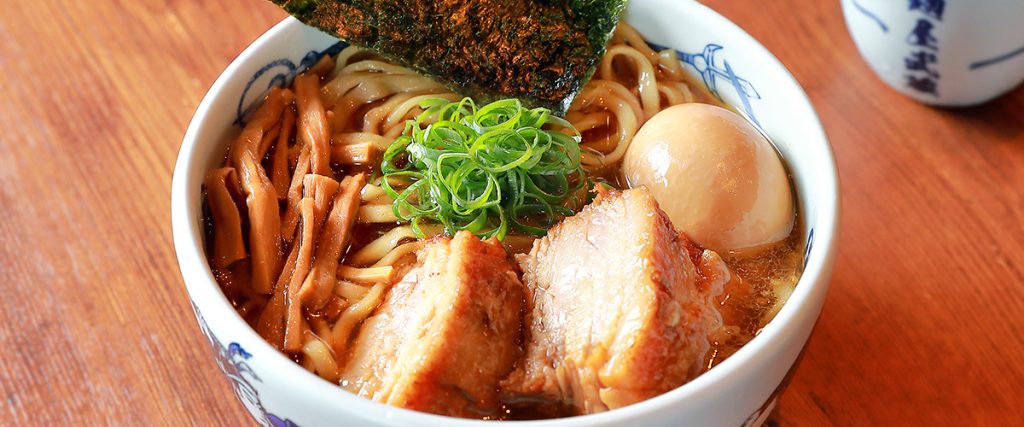
This restaurant is known for its meticulously crafted tsukemen (dipping noodles). The soup is a rich blend of chicken bones, pork bones, and bonito flakes. The chashu is braised pork belly, gently simmered until tender with a perfectly balanced sweetness.
If you’ve never tried tsukemen before, this is a great place to experience authentic Japanese tsukemen.
Fuuunji Shinjukuhonten
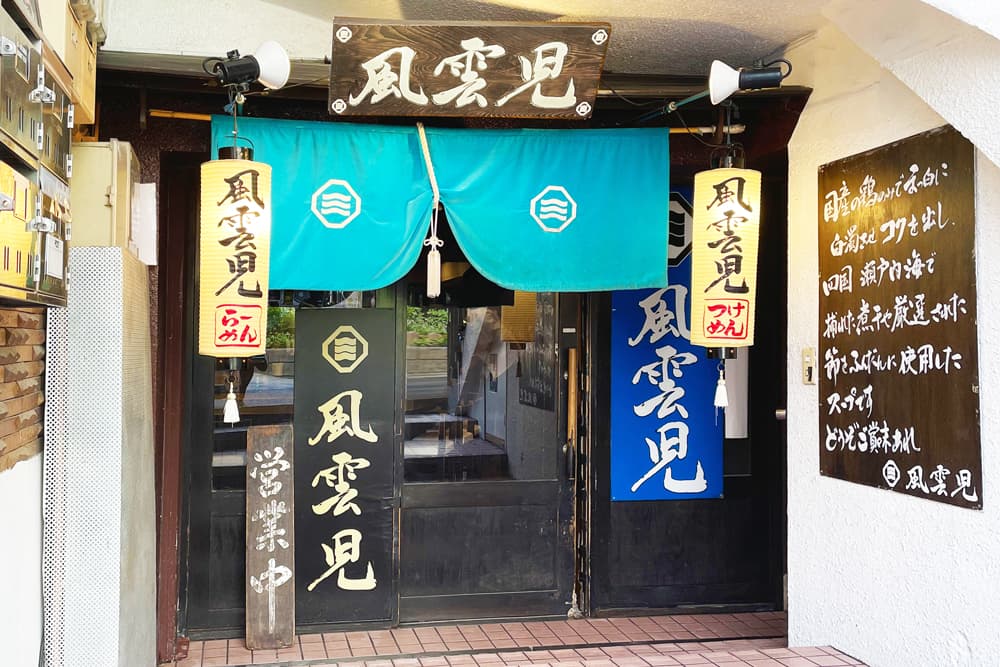
Fuunji is famous for its unique soup that combines seafood flavors with rich chicken paitan (creamy chicken broth). The ramen is designed to appeal to a wide range of people, from young to old, with a well-balanced and approachable taste.
Since its opening, the shop has continuously fine-tuned its soup and noodles, striving to ensure that customers always say, “It’s delicious every time.” For first-time visitors, the Tokusei Ramen, topped with seasoned egg, nori seaweed, and bamboo shoots, is highly recommended.
Misoya Hachiro Sinjukuten
Misoya Hachiro specializes in miso ramen, offering a variety of options such as spicy miso ramen and curry miso ramen. Traditional Japanese miso ramen is typically prepared by stir-frying vegetables like cabbage and bean sprouts in a wok, then adding soup and miso to finish the dish.
The restaurant blends eight different types of miso, allowing diners to experience the true depth and richness of miso flavors.
Ramen Horiuchi Shinjuku Honten
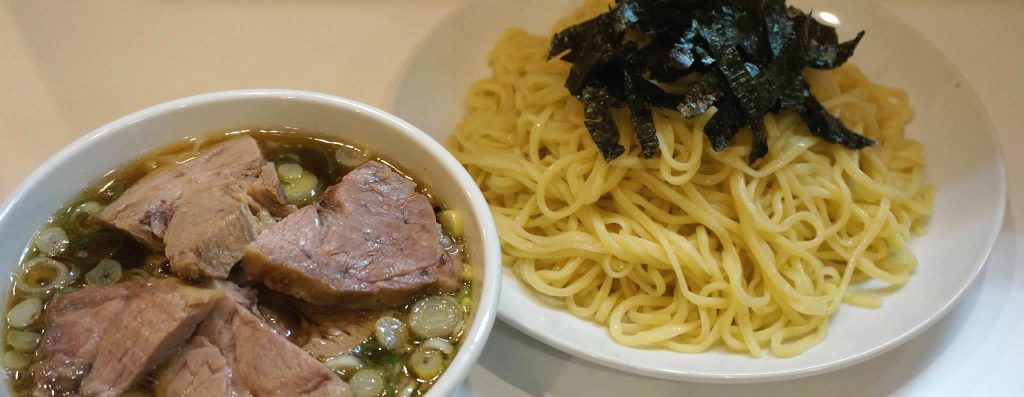
At Ramen Horiuchi, the noodle cooking time is adjusted daily based on the temperature and humidity to ensure noodles are served at their best condition.
The soup is a light, classic shoyu (soy sauce) broth reminiscent of the Showa era, made generously with chicken and pork bones. It pairs perfectly with chewy, firm noodles, offering a smooth and satisfying texture.
Menya Sho
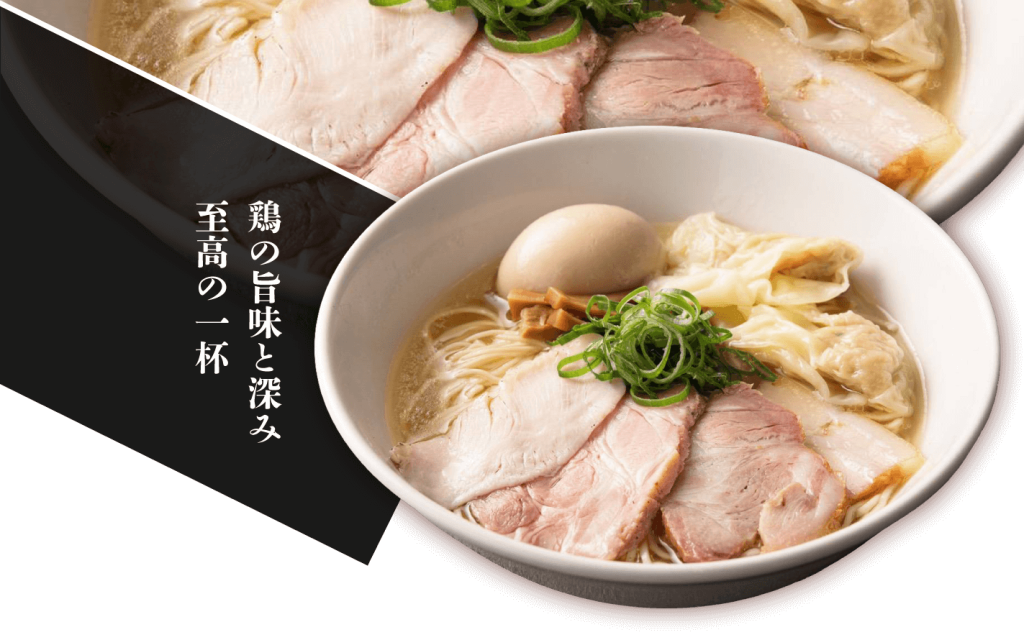
Menya Sho is a popular ramen shop in Shinjuku, often with long lines, known for its chicken salt and chicken soy sauce ramen.
While the soup is carefully crafted, the attention to chashu is equally impressive. They use both chicken and pork chashu, marinated in salted rice malt and slow-cooked at low temperature, resulting in exceptionally tender and juicy meat.
Ramen Hosenka
Ramen Hosenka is dedicated to bringing out the elegant aroma and rich umami of golden eye snapper (kinmedai) through meticulous temperature control and carefully timed simmering.
The shop serves high-hydration noodles made from a perfectly balanced blend of several carefully selected wheat varieties, achieving an excellent balance of firmness, smoothness, and flavor.
It is also conveniently located just a 5-minute walk from Shinjuku Station.
Ramen Jiro Shinjukukabukityoten
Are you familiar with Ramen Jiro? It is one of the most popular ramen styles in Japan today. This hearty ramen features a rich pork-bone soy sauce broth, thick and chewy noodles with a strong wheat flavor, and generous toppings of bean sprouts and pork back fat.
If you’d like to experience one of Japan’s latest ramen trends, be sure to visit Ramen Jiro.
Tsukemen Gonokami Seisakujo
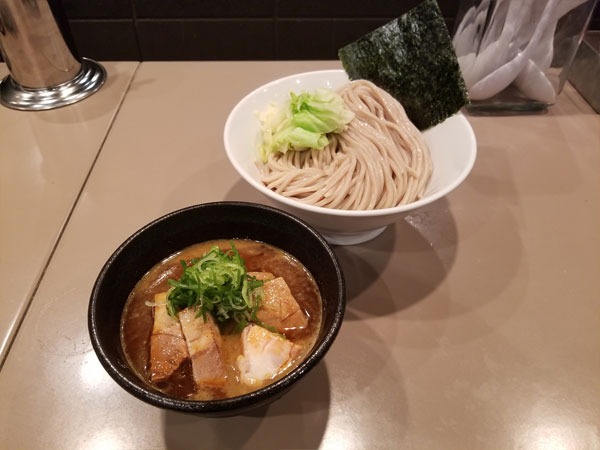
Tsukemen Gonokami Seisakusho is famous for its seafood-based shrimp tsukemen.
In addition to classic toppings, the shop also offers Western-inspired options such as basil sauce and mozzarella cheese, allowing you to enjoy ramen with international influences rather than traditional Japanese styles.
The restaurant is small with only 14 seats, but it provides English menus, making it easy for international visitors to dine here.
Ramen Hayashida
Ramen Hayashida, with its main branch located in Shinjuku, is a popular ramen shop known for its distinctive soup made from duck and chicken.
It has been selected as one of Tabelog’s “Top 100 Restaurants” in Japan, where you can enjoy truly exceptional ramen.
Sugoi Niboshi Ramen Nagi
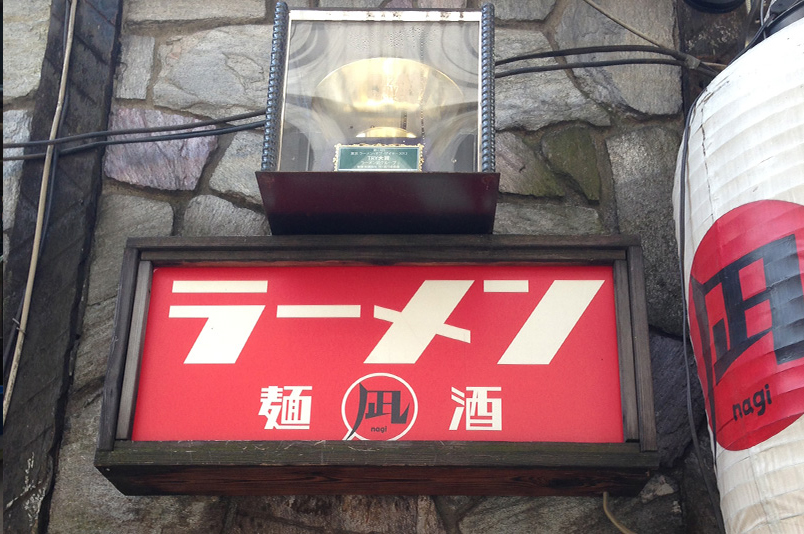
Located on the somewhat mysterious second floor in Shinjuku Golden Gai, Ramen Nagi is a well-known ramen brand with international locations. Its rich soup is made by blending more than 20 carefully selected varieties of dried sardines from across Japan, delivering the ultimate niboshi (dried sardine) ramen experience.
Open 24 hours a day, it is also highly recommended as a classic Japanese “shime” — a final meal after a night of drinking at izakayas.
Let’s enjoy authentic ramen
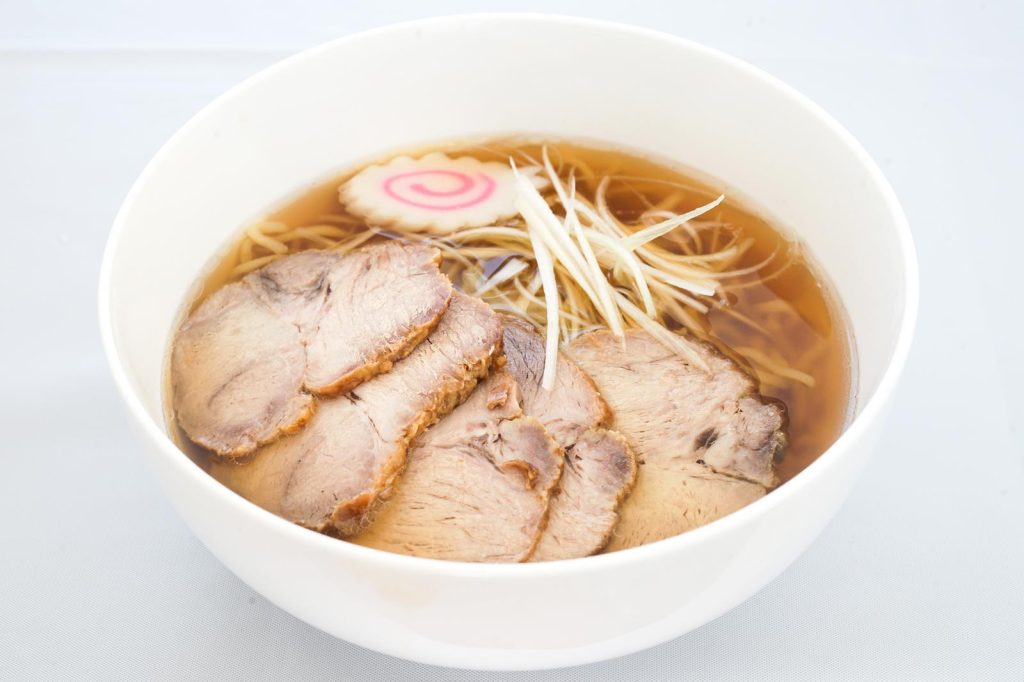
Ramen’s flavor varies greatly depending on the region and ingredients, with each style having its own character and history. From the savory aroma of shoyu to the richness of miso, the depth of tonkotsu, and the umami of seafood, the combinations of broth, noodles, and toppings offer virtually endless variations.
By enjoying authentic ramen, you can experience more than just a meal—you can feel the local culture and the dedication of the craftsmen behind it. At the famous shops in Shinjuku, Tokyo, be sure to savor the authentic flavors and discover your personal favorite bowl.


